![]() |
![]() |
|
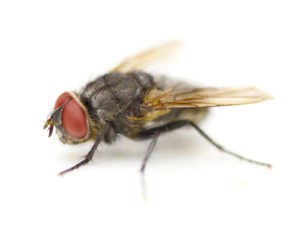
Forensic Entomology, or Medicocriminal Entomology, is the science of using insect evidence to uncover circumstances of interest to the law, often related to a crime. The time of death, for example, can usually be determined using insect evidence gathered from and around a corpse, provided the evidence is properly collected, preserved and analyzed by an appropriately trained and educated forensic entomologist.
Insect scientists, or entomologists, are being called upon with increasing frequency to apply their knowledge and expertise to criminal and civil proceedings. They are also recognized members of forensic laboratories and medical/legal investigation teams. The American Board of Forensic Entomology, ABFE, is the certification body that assigns a Diplomate certificate to a scientist who already has achieved a high level of expertise in entomology or criminal sciences. This certificate, once achieved, attests that the entomologist or criminologist has qualified to a higher standard of scientific study in medicocriminal entomology. The ABFE Organization is member supported and non-profit. All questions should be directed to the contact links and on the members page |
|
|
Forensic Entolmology is the science of determining a time frame and/or circumstance from the empirical evidence of insect activity on or around the site in question. A time of death can be reasonably determined by factoring in ambient temperature , availability of corpse to insects, and the progress of blowfly larvae through their life cycle on that corpse. Approximately fourteen days is necessary for a blowfly to go from egg to adult. |
|
|
Please contact Dr. Richard Merritt for more information on certification as Member or Diplomate , American Board of Forensic Entomologists:
|
Richard W. Merritt, Ph.D. Department of Entomology Michigan State University East Lansing, Michigan 48824 (517) 355-8309 (517) 353-4354 (fax) merrittr@msu.edu |